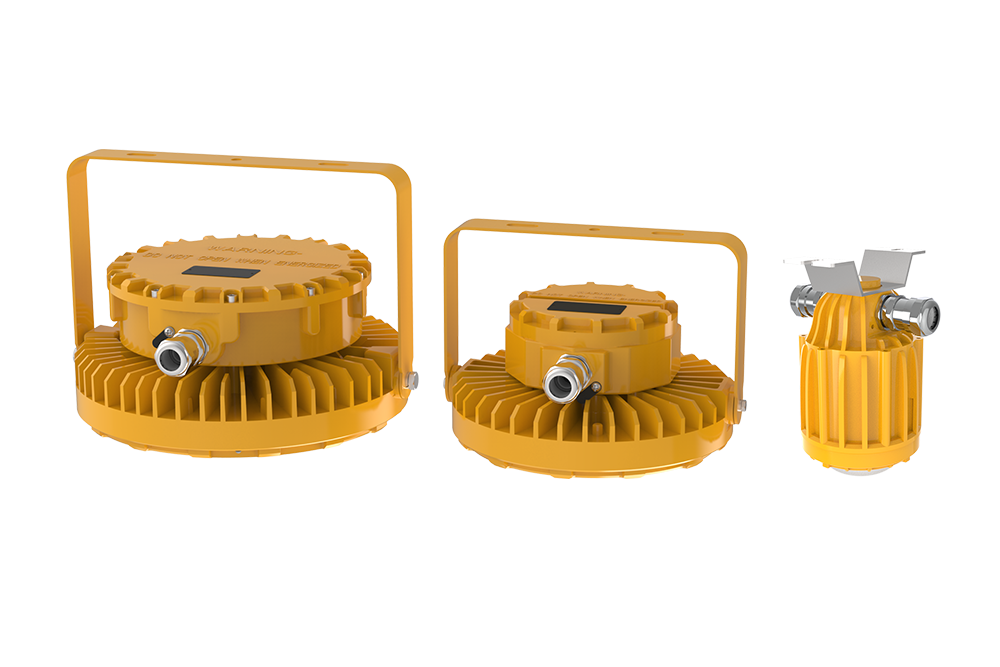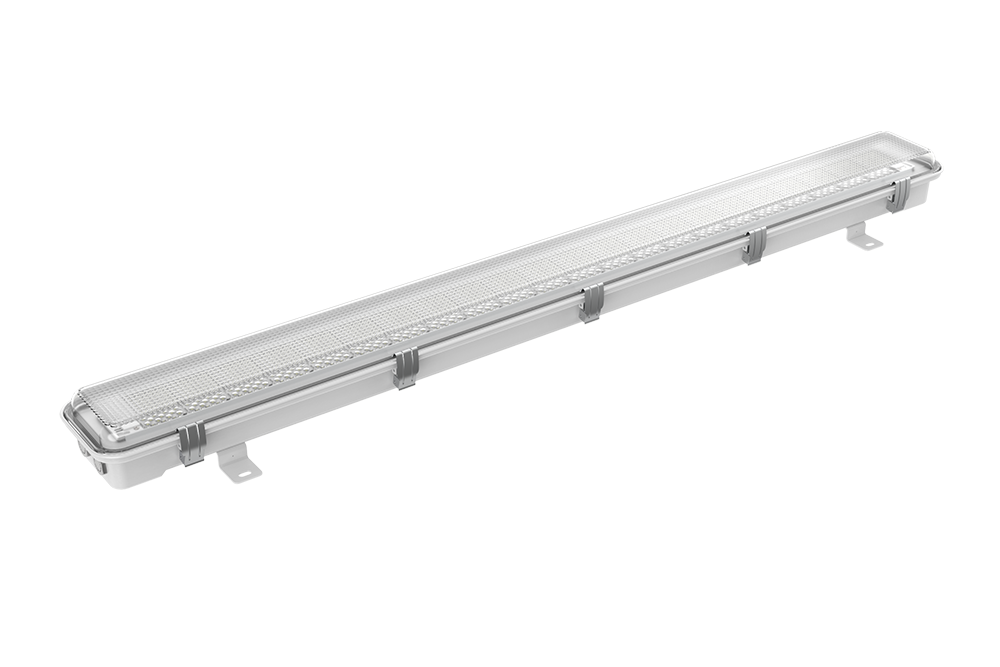
Originating the present composition analyzes the tools concerning blast-proof lighting through manufacturing fields.
Performing safely among dangerous regions like mining factories involves tailored implements with the goal to thwart likely emergencies. Ignition-safe illumination systems are indispensable constituents in those spaces, designed to survive sparks, inflammable effluents, and combustible locations. These devices are never naturally reliable; conversely they are produced to enclose any inner electrical fault or ignition and inhibit it from generating a larger combustion in the local site. This manual supplies primary information about explosion-proof luminaires, their employments, and precaution considerations for setting up them safely.
Decoding Explosion Proof Lighting Standards
Adhering to the hazard-resistant lighting criteria can be demanding, especially about industries managing hazardous zones. These mandates – often linked to national bodies such as the National Electrical Association (NEC), ATEX (Europe), and IEC – define exact design and implementation techniques to limit the likelihood of arcing from current-driven tools. Understanding these standards is critical for ensuring worker safety and adherence with regulatory mandates.
Light Emitting Diode Blast Resistant Illumination: Productivity & Reliability
Photonic ignition-proof lighting units deliver a substantial advancement over legacy halogen lighting in territories where catchable chemicals are exposed. These strong tools also provide noteworthy power savings, resulting in declined expenditure, but significantly secure a greater level of preservation by avoiding the potential of ignition stemming from current breakdowns}.
Explosive Perilous Setting Unsafe Proof Explosion Radiance Flare Resistant} Luminaires : A Full Manual
Explosion Certified Perilous Environment Perilous Proof} Units are exclusively engineered lighting applications built to perform safely within potentially inflammable areas. These resilient fixtures inhibit sparks, temperature and current sparks from provoking a major explosion. They typically incorporate state-of-the-art designs, including specifically encased housings and constitutionally safe circuitry assemblies to provide safety benchmarks in fields like mineral & gas processing, production plants, resource recovery operations, and therapeutic production.
Selecting the Proper Explosion-Proof Sources for Dangerous Zones
Recognizing the optimal detonation-safe illumination for a designated potentially explosive environment involves thorough review. Indicators such as the designation (e.g., Type I, II, or III and regions 1) are required to be thoroughly assessed to validate conformity with applicable protection directives. Beyond the site's fundamental liabilities, think about atmospheric situations, consisting of temperature and dampness, to determine a tough and stable solution. Regularly confide in a professional engineer to guide your selection process.
Places Where Are Needed Explosion Proof Lights?
Explosion-proof frequently referred to as intrinsically safe|hazardous location|Class-rated} lighting apparatus are absolutely needed in all areas where volatile liquids or particles could probably create a risky atmosphere. This frequently includes production conversion plants, blemish treatments application areas, foodstuff handling facilities, and wastewater treatment sites. Regulations, such as those from NEC and ATEX, dictate their placement in these zones to avoid the risk of sparks and ensure safety integrity.
Positives of Semiconductor in Explosion Proof Units
Utilizing Crystal-Based technology for detonation-safe units offers a remarkable range of gains. First, solid-state lights boast a much longer operating life compared to traditional arc units, reducing support outlays and outages. They are also intrinsically safer, producing less radiant heat which reduces the potential of combustion in hazardous atmospheres. Over and above, electroluminescent units are substantially effective in power use, leading to decreased electricity outlays and a cut down ecological influence. Finally, the solid build of LED components tolerates the harsh milieus typical of blast-proof areas.
- Longer Activity Span
- Minimized Maintenance Expenditures
- Greater Precaution
- Minimized Energy Draw
- Improved Stability
Upkeeping and Monitoring Explosion Proof Lighting Systems
Scheduled maintenance and complete inspection of fire-safe lighting setups are decisively crucial for confirming security and stopping potential dangers. This entails a periodic review of all modules, such as luminaires, channels, current conduits, and linked connection enclosures. Notably, examine for corrosion, fabric deterioration, and secure bonding. What is more, ensure that each signs are legible and that the illumination sources required by applicable codes.
- Implement visual checks.
- Examine current links.
- Certify blast resistance.
Forward Outlook of Explosion Proof Lighting Technology
Growing landscape of explosion-proof units technology predicts a substantial shift from traditional designs. Future approaches will progressively incorporate automated capabilities, enabling non-proximate monitoring, diagnostics, and customizable control. We look forward to a expanding adoption of solid-state technology, not only for its natural energy efficiency, hazardous location lighting but also its capability to facilitate included sensors for observing toxic conditions. In addition, materials inspection is encouraging innovations in long-lasting housing units materials, allowing for trimmed and upgraded designs, while maintaining the required levels of safety.
- Improved battery life for portable applications.
- Integration with predictive maintenance schemes.
- Formation of automatic lens devices.