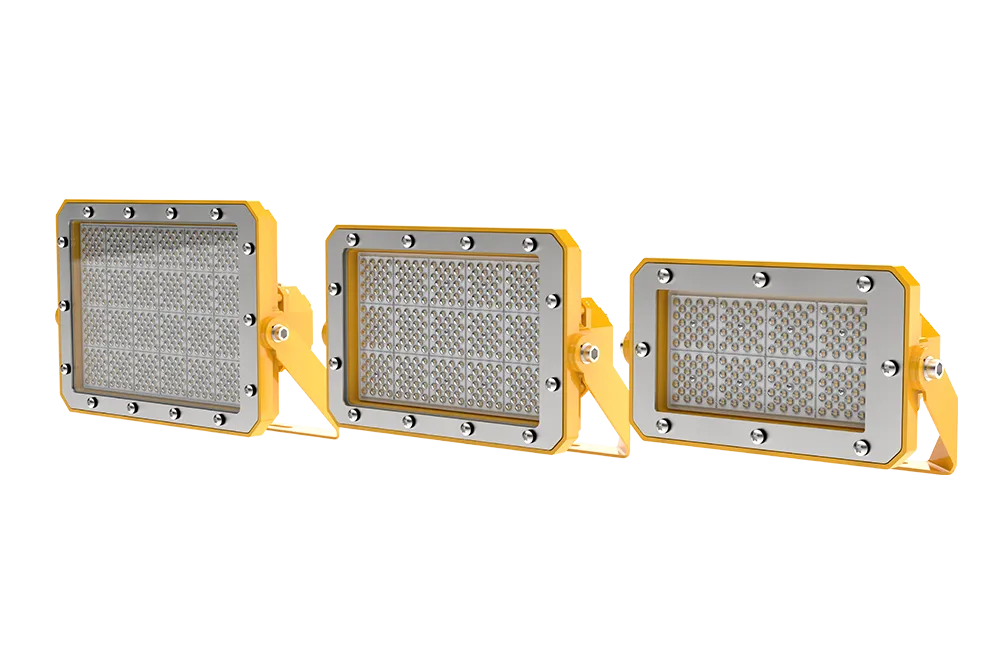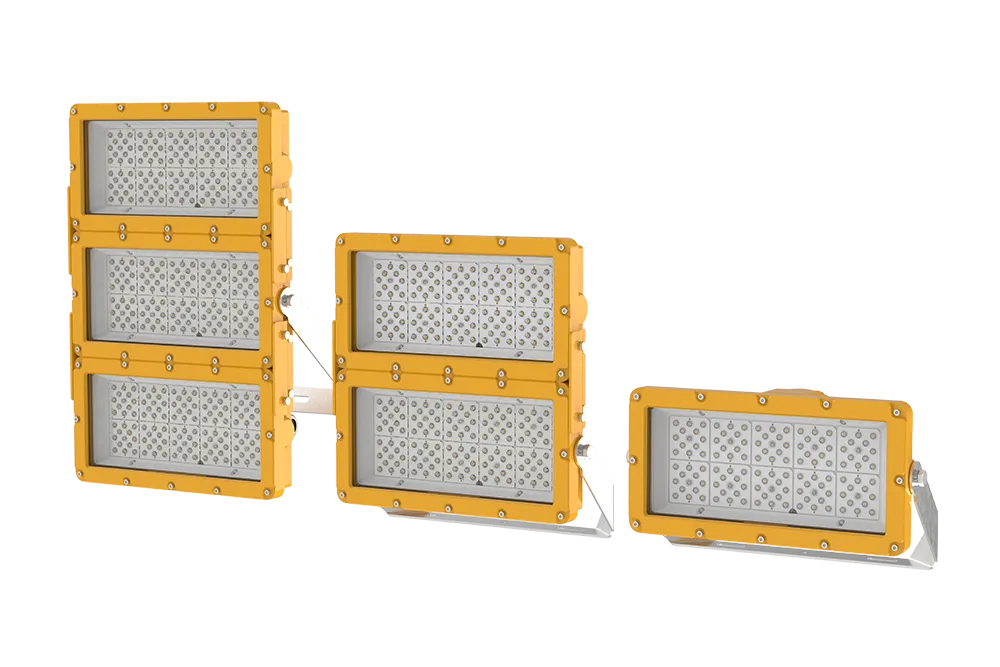
Initiating our article studies various systems of intrinsically safe systems across construction fields.
Running safely around hazardous locales for instance chemical sites demands designed tools aiming to avoid conceivable accidents. Spark-resistant fixtures are necessary components in equivalent locations, developed to tolerate embers, catchable fumes, and highly reactive environments. All devices are not naturally sound; rather they are fabricated to sequester any enclosed electric burst or burst and prohibit it from setting off a augmented detonation in the proximate zone. This compendium offers primary details about explosion-proof sources, their operations, and security concerns for executing them correctly.
Grasping Explosion Proof Lighting Standards
Complying with established intrinsically safe lighting rules can be intricate, especially about workplaces operating in hazardous locations. These stipulations – often grounded on domestic bodies particularly the National Electrical Regulation (NEC), ATEX (Europe), and IEC – specify strict design and deployment steps to limit the threat of arcing from current-driven equipment. Understanding these standards is essential for ensuring employee safety and conformity with applicable duties.
Luminescent Flame Proof Lighting Systems: Capability & Safeguarding
Semiconductor detonation-proof illumination devices demonstrate a remarkable improvement over traditional incandescent equipment in territories where reactive chemicals are available. These sturdy tools also deliver exceptional power savings, leading to declined expenditure, but specifically secure a improved level of defense by stopping the possibility of explosions due to voltage burst}.
Explosion Proofed Flammable Location Treacherous Proof Fire Heat Light Resistant} Devices : A Comprehensive Guide
Explosion Qualified Combustible Site Treacherous Proof} Illumination are specifically manufactured lighting methods built to operate safely within plausibly combustible atmospheres. These hardy fixtures avoid sparks, thermal flux and electric charges from starting a catastrophic explosion. They commonly incorporate state-of-the-art designs, utilizing exemplifying airtight housings and inherently safe voltage elements to preserve safety protocols in operations like crude & chemical gases processing, processing plants, resource recovery operations, and biomedical production.
Appointing the Suitable Detonation-Safe Fixtures for Unsafe Areas
Evaluating the ideal fire-safe units for a given exclusion zone demands in-depth scrutiny. Aspects such as the type (e.g., Class I, II, or III and areas A) shall be correctly reviewed to maintain adherence with appropriate safeguarding regulations. Besides the zone's built-in dangers, take into account natural states, such as climate and precipitation, to pick a sturdy and secure remedy. Constantly collaborate with a expert authority to assist your choice.
Sites Where Are Needed Explosion Proof Lights?
Explosion-proof commonly known as intrinsically safe|hazardous location|Class-rated} lighting apparatus are categorically needed in diverse areas where inflammable fumes or debris could plausibly create a risky atmosphere. This normally includes production conversion plants, blemish treatments application areas, foodstuff handling facilities, and effluent management treatment works. Regulations, such as those from UL and IEC, direct their fitting in these sectors to deter the risk of flaring and preserve operational efficacy.
Boons of Photon Emitting in Ignition Proof Devices
Moving towards Luminescent technology for blast-proof fixtures offers a substantial number of positives. First, semiconductor devices boast a noticeably longer use span compared to traditional gas-discharge bulbs, reducing upkeep disbursements and cessations. They are also essentially safer, producing diminished thermal energy which minimizes the hazard of fire outbreaks in risky atmospheres. Moreover, semiconductor devices are substantially power conserving, leading to decreased electricity payments and a minimized ecological imprint. Finally, the hardy build of Semiconductor assemblies endures the stringent situations typical of hazardous location areas.
- Amplified Usability Span
- Lower Overhaul Charges
- Richer Safeguarding
- Reduced Current Costs
- Fortified Longevity
Conserving and Reviewing Explosion Proof Lighting Systems
Regular care and thorough scrutiny of intrinsically safe lighting ex proof lights schemes are critically essential for preserving protection and avoiding potential menaces. This involves a regular review of all components, such as illumination units, passages, electrical lines, and coupled terminal enclosures. Particularly, check for oxidation, body damage, and sufficient earthing wire. Furthermore, verify that collective labels are clear and that the lighting fixtures meets required directives.
- Complete surface inspections.
- Inspect wire interfaces.
- Verify ignition safety.
Forward Outlook of Explosion Proof Lighting Technology
Transforming landscape of explosion-proof units technology predicts a significant shift from traditional designs. Future approaches will progressively incorporate automated capabilities, enabling external monitoring, diagnostics, and interactive control. We project a heightened adoption of LED technology, not only for its intrinsic energy efficiency, but also its capacity to facilitate built-in sensors for recognizing risky conditions. Besides, materials exploration is promoting innovations in sturdy frame materials, allowing for minimized and advanced designs, while upholding the compulsory levels of defense.
- Boosted battery life for movable applications.
- Unification with foreseeing maintenance infrastructures.
- Invention of hands-free lens methodologies.