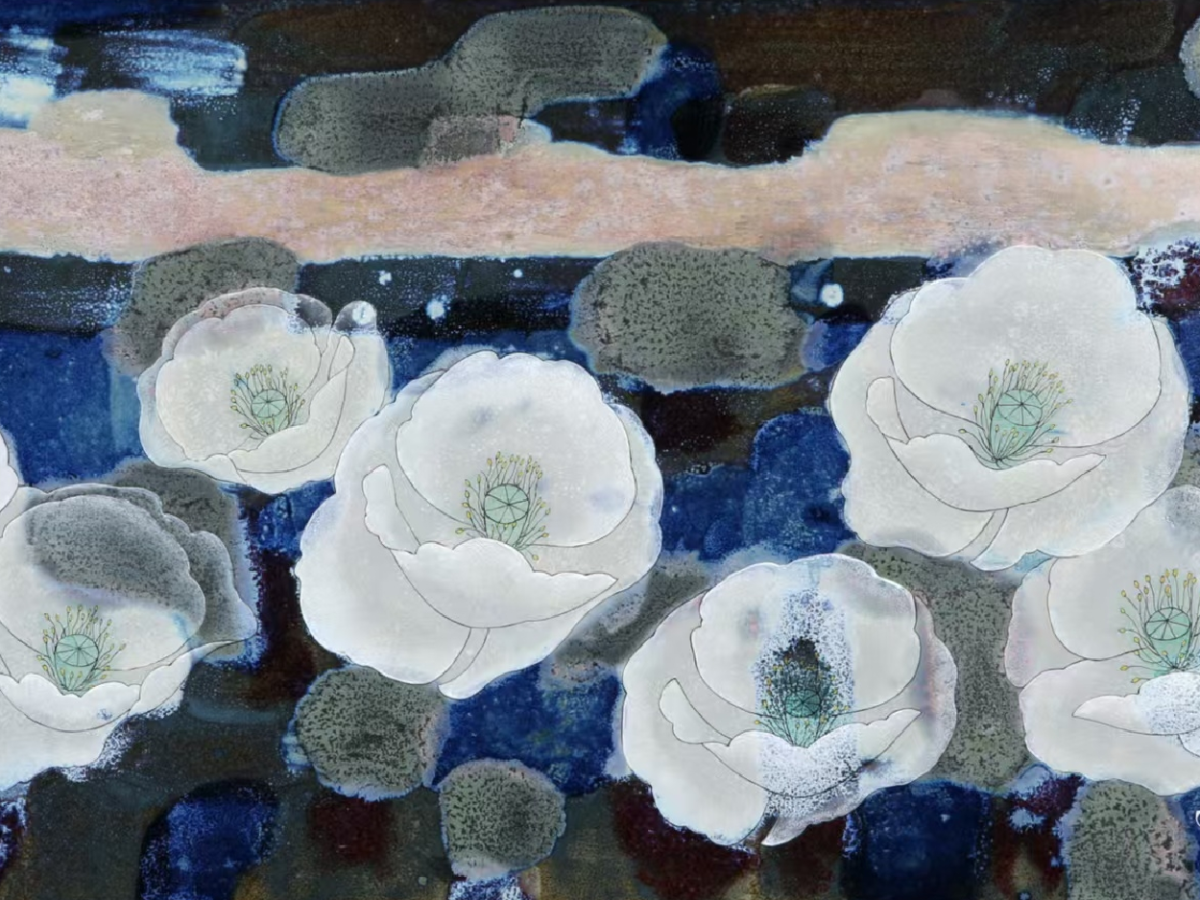
Stoneware model constitutes a impressive work type with a vast heritage, extending back myriad of decades. From ancient vessels to current setups, the resource offers unmatched possibilities for creative representation. Designers manipulate diverse techniques – including forming, wheel shaping, and developed firing processes – to fashion humble silt into compelling three-dimensional creations. The endurance of fired terracotta also contributes to its status as a truly noteworthy part of human society.
Investigating Earthenware Marker Arrangements and Practices
The landscape of ceramic badge design offers a considerable array of creative possibilities. Designers often utilize a combination of heritage-based and cutting-edge techniques to fabricate visually stunning pieces. These can include from simple, etched reliefs to complex, multi-layered layouts. Frequently used methods include the slip cast process, hand shaping, varnishing – which can involve numerous techniques like primary coloration, decoration on top of the glaze, and sgraffito where designs are unmasked by excavating a layer of surface. Expanded research into top layers such as quick baking and metallic glaze can bring about truly exceptional and bespoke clay shields.
- Form Casting - Forming pieces using a frame
- Hand Shaping - Carefully molding the earth
- Glazing - Finishing the overlay with a vitreous finish
- Scratched design - Making visible designs by excavating films
Captivating Experiences: Pottery Art Showcases
The growing landscape of creativity presents exciting modern avenues for spectators, and ceramic art installations are at the leading edge of this development. These aren't just static works; they are crafted to envelop the audience member in a sensory setting. Imagine stepping into a forest of towering, finished ceramic trees, or navigating a web of delicate ceramic vessels. Many artisans are now incorporating music, glow, and even perfume to enhance the atmosphere of their work. Imagine the power of a room filled with hundreds of individually ceramic figurines, each telling a narrative. Habitually, such installations examine themes of flora and fauna, remembrance, and the collective.
- Those installations blur the thresholds between work and venue.
- Observing a ceramic art installation can be a deeply transformative journey.
- Makers are transporting the parameters of what is realizable with clay.
This Attractiveness of the Clay Holder: Function and Structure
The terracotta pot represents a impressive blend of usefulness and imaginative appeal. Historically, these containers served a minimalist assignment in containing substances, but their maturation has transformed them into highly valued works of craft. Each work showcases the mastery of the builder, demonstrating how design can be as vital as service. The deliberate shaping, the exceptional glazes, and the holistic presence of a well-made container can lift a space, offering both magnificence and a quiet reminder of the manual hand.
Latest Brick Art : Expanding Frontiers
Latest brick sculpture represents a fascinating evolution from conventional practices. Craftsmen are dynamically advancing with cutting-edge techniques, questioning the boundaries between artwork and separate imaginative areas. From immense installations to elaborate miniature pieces, noted works explore themes of identity while at the same time rethinking the essence of what pottery can represent. The outcome is a vibrant field of artistic design.
Clay Tablet: Safeguarding Heritage in Clay
Ceramic plaques offer a unique method for noting significant events and souls. Distinguished from traditional metal or stone markers, these hardwearing pieces of mastery are formed from kilned clay, creating a actual link to the history. Regularly, they display intricate reliefs or hand-painted imagery, portraying stories that might otherwise be neglected. That technique, coming from Magic Cube Ceramics Travel Cup ancient societies, provides a beautiful and unfading way to remember our collective tradition.
- Such can be situated in accessible spaces.
- A multitude of are now viewed historical relics.
Brick Art Arrangements: Reimagining Areas
Brick art installations are surfacing a compelling medium for artists to reconstruct public and private spaces. These immersive pieces frequently involve significant clay structures that captivate viewers, reshaping their interpretation of the built environment. By combining diverse approaches like hand-building and advanced firing techniques, ceramic artists fashion truly exceptional experiences, blurring the limits between art and location. The effect is often a touching change that strengthens the stylistic quality of the area and develops dialogue.
Commencement Wheel to Spectacle: The Craft of the Pottery Vessel
The journey of a pottery vessel from a simple lump of material to a finalized work of design is a testament to human brilliance. Historically, the process launches with the potter’s wheel, where the adept artisan creates the turning earth into a cylindrical design. This early component demands accuracy and a sharp eye, followed by a delicate strengthening period. Once partially baked, the jar is ready for detail work, which may include coating intricate figures, engraving detailed views, or implementing a variety of finishes. The terminal kiln firing process then alters the item into a durable and attractive vessel, a tangible embodiment of the craftsman's imagination.
Forming with Clay: A Overview to Earthenware Expression
Plunging the world of pottery work begins with learning the cornerstones of molding with clay. The technique necessitates deliberately incorporating and reducing matter to fashion three-dimensional creations. If you're a starter or a accomplished practitioner, experimenting with different types of earthenware – like stoneware – will enable you find your distinctive voice. In the end, clay working is a satisfying exploration that unites practical expertise with creative expression.